
Discover Torino
- About 850,000 residents (over 1.7 million in the metropolitan area)
- Piemonte (Piedmont)
- CET/CEST (UTC+1 / UTC+2)
History
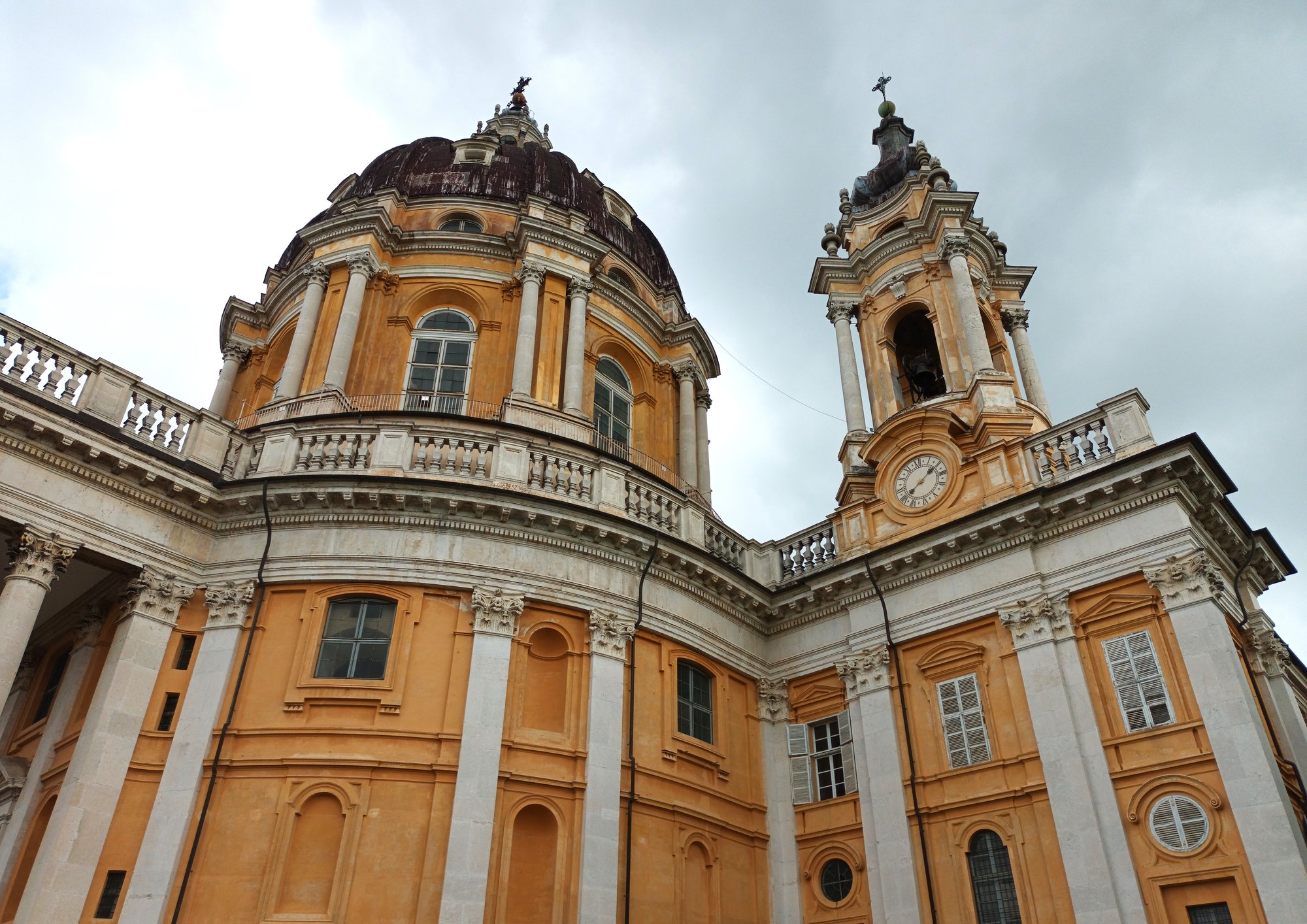
Turin began as Augusta Taurinorum, a Roman colony founded around 28 BC on the site of an earlier settlement of the Taurini people, laid out on the strict grid plan still visible today in the Quadrilatero Romano and marked by the well-preserved Porta Palatina city gate. The city passed through Lombard and Frankish rule in the early Middle Ages before becoming, from the 11th century onward, the seat of the House of Savoy — initially a minor Alpine dynasty that would, over the following eight centuries, grow into one of Europe’s most consequential ruling houses.
Turin became the Savoy capital in 1563, under Duke Emanuele Filiberto, and the following two and a half centuries transformed the city into a showcase of Baroque urban planning, with architects Guarino Guarini and Filippo Juvarra adding domed churches, royal palaces and hunting lodges across the city and its surrounding countryside. This is the era that gave Turin its regular grid of straight, porticoed avenues and formal piazzas, still the defining feature of the historic centre.
The city played a central role in the Risorgimento, the 19th-century movement for Italian unification led largely from Turin by statesman Camillo Cavour and King Vittorio Emanuele II, and when Italy unified in 1861 Turin briefly became the new nation’s first capital, before the government relocated first to Florence and then Rome by 1865 — a loss that pushed the city to reinvent itself as an industrial centre. Giovanni Agnelli founded Fiat here in 1899, and through the 20th century Turin grew into Italy’s automotive and industrial capital, drawing waves of internal migration from southern Italy that reshaped the city’s neighbourhoods and culture.
Fiat’s decline from the 1980s onward hit Turin hard, but the city responded with a deliberate reinvention around culture, food and tourism, crowned by hosting the 2006 Winter Olympics, which funded a new metro line and revitalised the riverside and former industrial districts. Museums like the Egyptian Museum and the Pinacoteca Agnelli at the former Fiat Lingotto factory now anchor a city that increasingly markets its Baroque elegance, chocolate-and-coffee café culture, and world-class collections to visitors who once passed straight through on their way to the Alps.
Did you know?
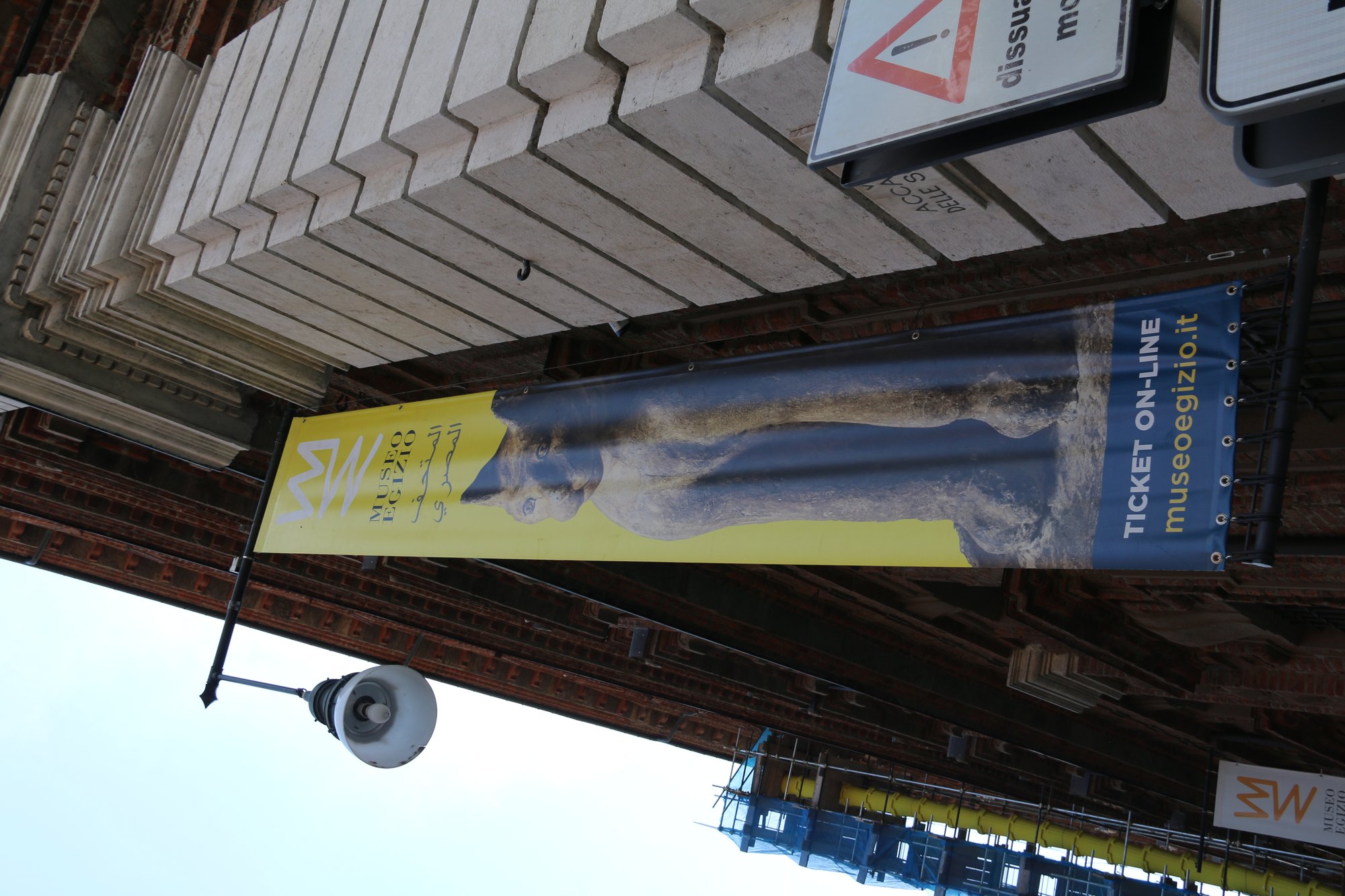
- Turin's Egyptian Museum, founded in 1824, was the first museum in the world dedicated entirely to Egyptian civilisation, and remains the largest collection of Egyptian antiquities outside Cairo.
- The city was Italy's first capital, from unification in 1861 until 1865, when the seat of government moved to Florence and later Rome — a status still visible in the grand institutional buildings around Piazza Castello.
- Turin claims, alongside Milan, to have invented the modern aperitivo ritual in the late 19th century, and it was here that vermouth was industrialised in the 1780s by Antonio Benedetto Carpano.
- Some esoteric traditions place Turin at a corner of both a 'white magic' triangle (with Lyon and Prague) and a 'black magic' triangle (with London and San Francisco), a piece of local folklore the city embraces rather than denies.
- The first Italian public film screening took place in Turin in 1896, and the city became the country's first film capital before the industry moved to Rome in the 1930s — a history now told inside the Mole Antonelliana.
- Philosopher Friedrich Nietzsche spent his final months of lucidity in Turin in 1888, writing admiringly of the city's calm elegance shortly before his final breakdown.
Must-see
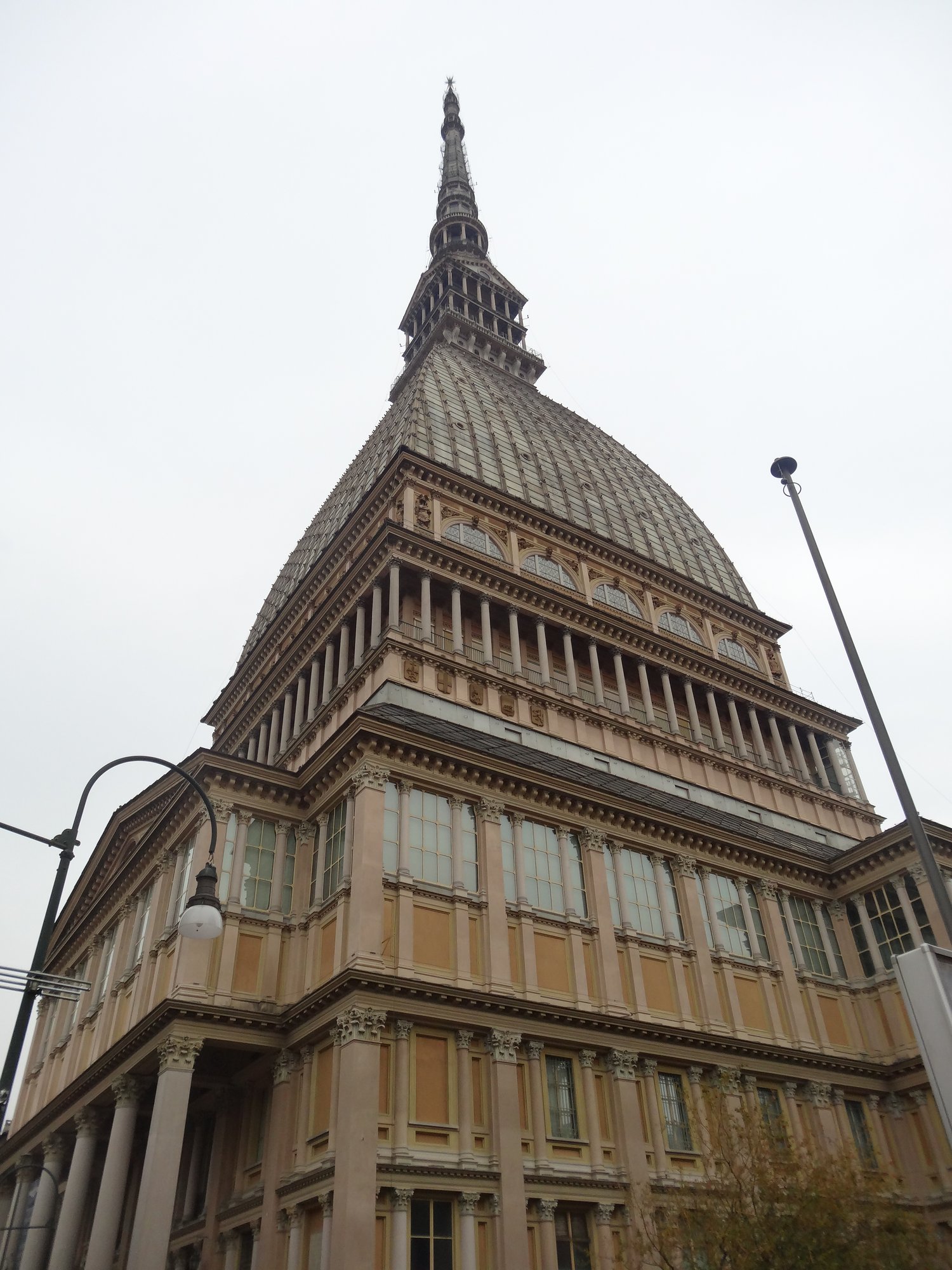
- Mole Antonelliana & National Cinema Museum — Turin's soaring 19th-century landmark, home to Italy's National Museum of Cinema and a glass panoramic lift climbing to a viewing deck above the city's rooftops.
- Egyptian Museum (Museo Egizio) — The oldest museum dedicated entirely to Egyptian civilisation, and after Cairo the world's most important collection of Egyptian antiquities, with over 40,000 objects spanning 5,000 years.
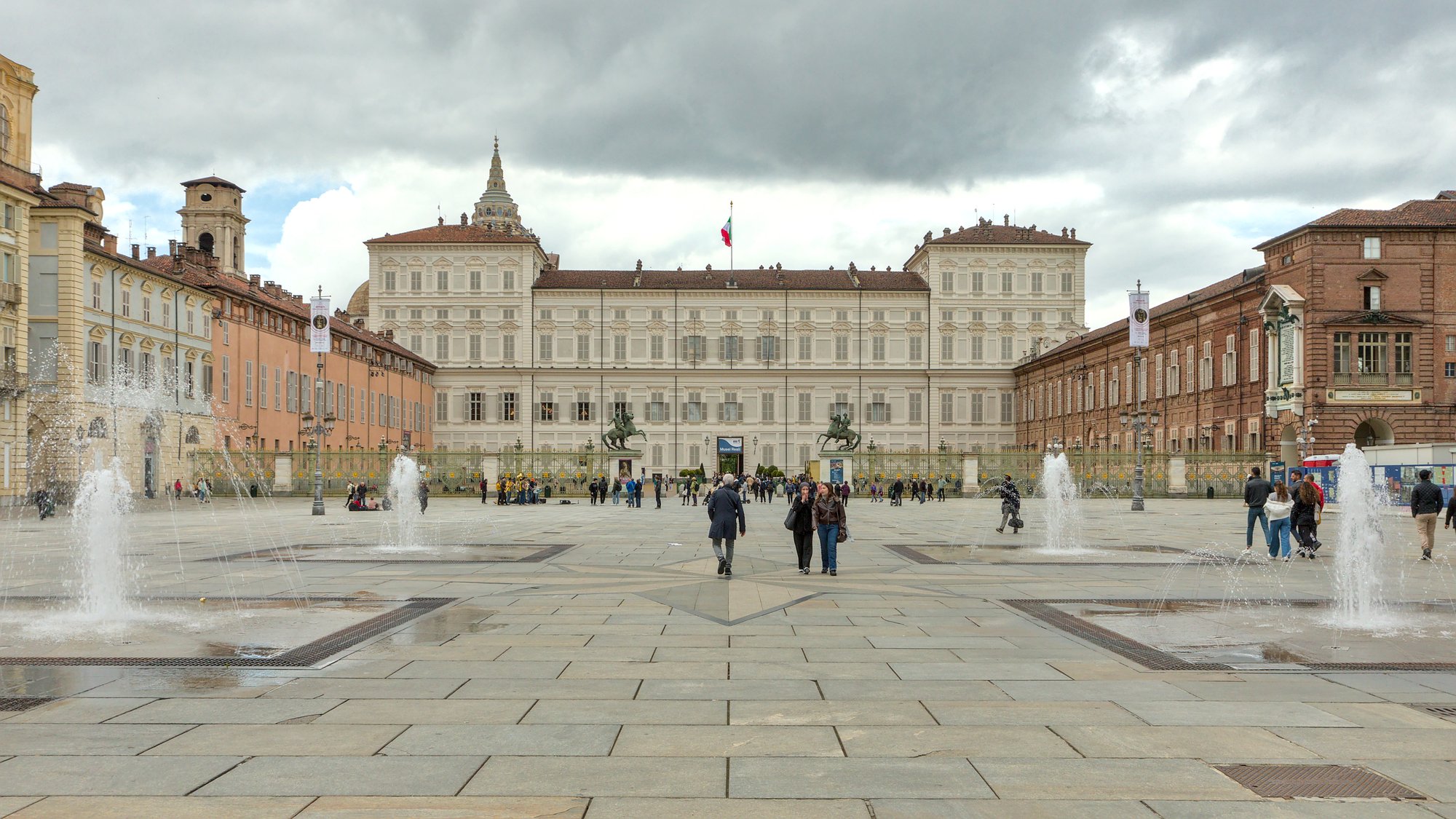
- Royal Palace of Turin — The austere façade on Piazza Castello conceals the opulent official residence of the House of Savoy for over two centuries, a UNESCO World Heritage Site since 1997.
Local dishes
- Bagna cauda — A shared hot dip of anchovies, garlic and olive oil, kept warm at the table over a small burner and eaten with raw and roasted vegetables, a wintertime Piedmontese ritual.
- Agnolotti del plin — Tiny hand-pinched pasta parcels ('plin' means pinch in Piedmontese) filled with roast meat, typically served simply in butter and sage or a light meat broth.
- Vitello tonnato — Thin slices of cold roast veal draped in a creamy tuna, caper and anchovy sauce, a classic antipasto found on nearly every traditional Turin menu.
- Bollito misto — An assortment of boiled meats carved tableside from a trolley, served with green salsa verde and other traditional sauces — a Piedmontese cold-weather staple.
- Gianduiotto — The ingot-shaped hazelnut chocolate said to have originated in Turin in the 1860s, still individually wrapped in gold foil by the city's chocolatiers.
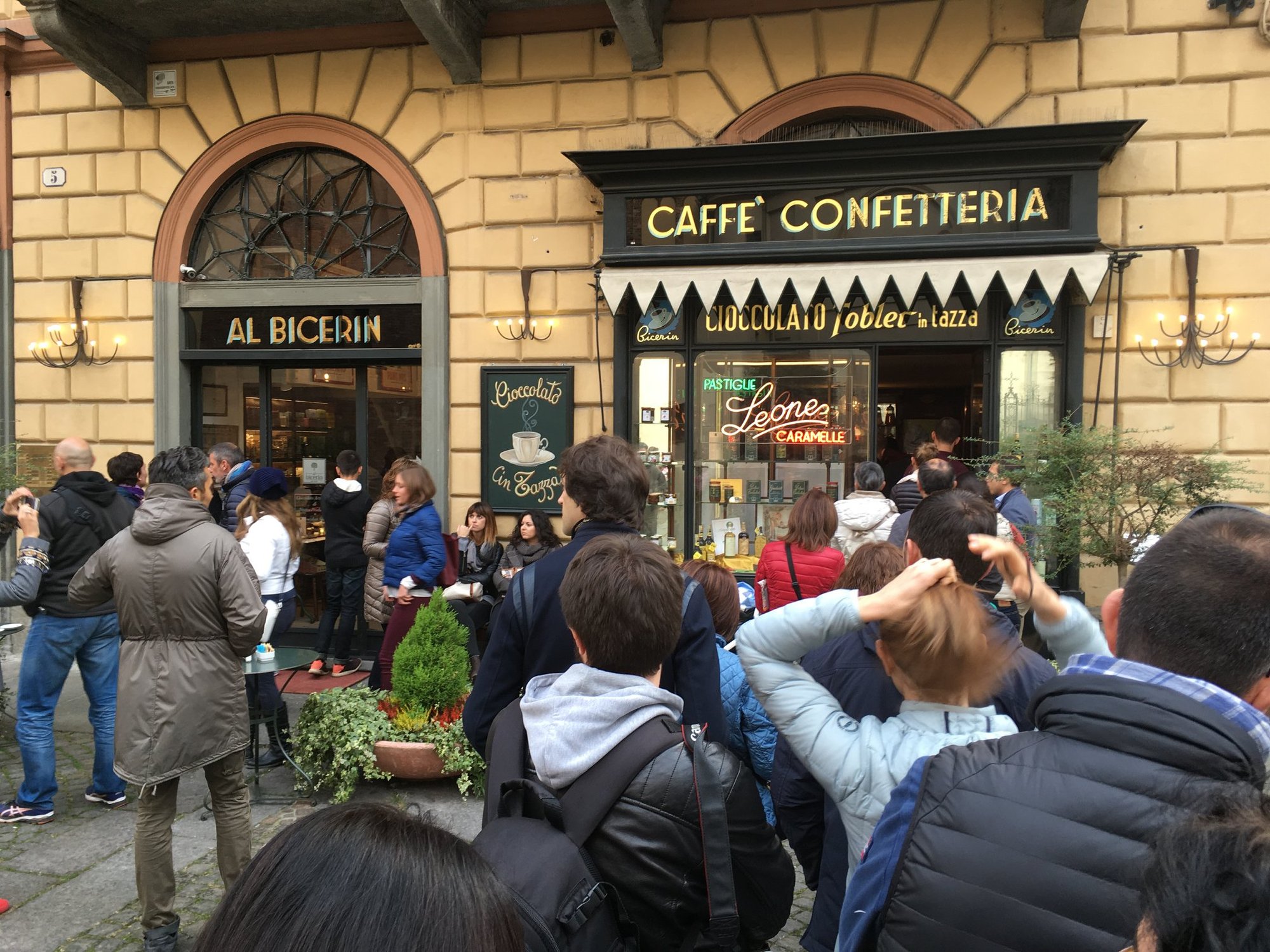
- Bicerin — A layered drink of espresso, drinking chocolate and cream served unstirred in a small glass, invented in Turin and still poured at Caffè Al Bicerin since 1763.
Practical info
Getting around
Turin's single, largely driverless metro line (opened 2006) crosses the centre from Fermi to Bengasi, complemented by an extensive tram and bus network run by GTT. The historic centre is compact, flat and very walkable, with over 18 kilometres of covered porticoes letting visitors cross much of the city centre without an umbrella. A restricted traffic zone (ZTL) covers parts of the historic core, so visitors with cars are better off using peripheral car parks and public transport. The Torino+Piemonte Card bundles free or discounted entry to dozens of museums and attractions with public transport.
When to go
April to June and September to October bring mild weather and avoid both the summer heat and the August lull, when many family-run restaurants and shops close for the traditional ferie. December brings the Luci d'Artista contemporary light-art festival, illuminating streets and squares across the city, alongside Christmas markets and the start of the winter chocolate season. The Salone del Gusto and Terra Madre food festival, held periodically in autumn, draws food producers from across the world and is a highlight for anyone interested in Piedmontese cuisine.
Good to know
- A dress code applies inside the Duomo, the Santuario della Consolata and other churches: shoulders and knees should be covered.
- Many independent restaurants, bars and shops close for one to three weeks in August for the summer ferie — check opening days before planning a visit around a specific address.
- Comfortable shoes matter: Turin's porticoed streets are wonderful in the rain but the historic centre still involves plenty of walking on stone paving and cobbles.
- Book tables at historic restaurants like Del Cambio and Tre Galline well in advance, especially for weekend evenings; reservations are far less essential at the city's many casual trattorie.